With ODM you choose a product the factory has already designed and add your brand, colour and packaging. With OEM the factory produces your design, with its own mould and engineering. For a first electronics brand, ODM is usually the way: lower upfront cost, lower minimums and a faster launch. OEM makes sense when your own product is the edge over the competition.
A private label often starts with the idea of a 'different' product. The budget often ends with a well-chosen catalogue product.
Both can be good business.
The difference in practice
| ODM | OEM | |
|---|---|---|
| Design | The factory's | Yours |
| Mould | Already exists | Paid separately |
| Minimum order | Lower | Higher |
| Time to first order | Weeks | Months |
| Differentiation | Colour, logo, packaging, software | Full |
| Exclusivity | Has to be negotiated | If the contract protects it |
What can be changed in an ODM
- Housing colour and finish.
- Logo on the product and the box.
- Menu and manual language.
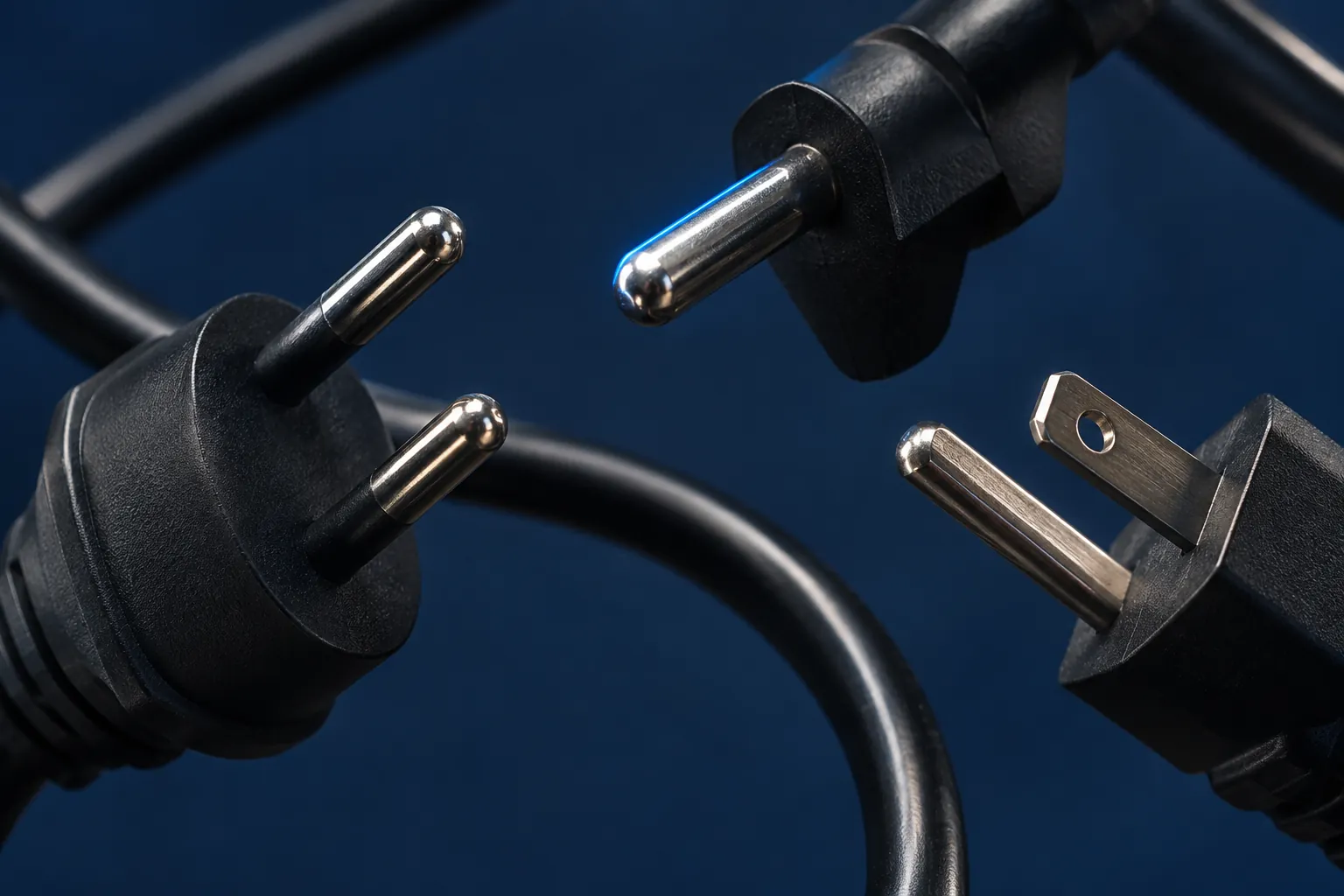
- Voltage and plug for your country.
- Included accessories.
When to move to OEM
When the brand already sells, you know your customers' complaints and you know what you would change in the product. That knowledge is what justifies paying for a mould.
Before quoting an OEM, have a spec sheet with dimensions, materials and functions, and protect the design with an NNN agreement.
Frequently asked questions
Can another importer sell the same ODM?
Yes, unless you negotiate exclusivity by country or colour.
Is an OEM mould mine?
Only if the contract says so; put it in writing.